About All Tours Half Day ToursFrom Ho Chi Minh City ToursPrivate ToursFull Day ToursMekong Delta Combo ToursCar ToursFamily Tours Directions Hours & Fees
Find Tours 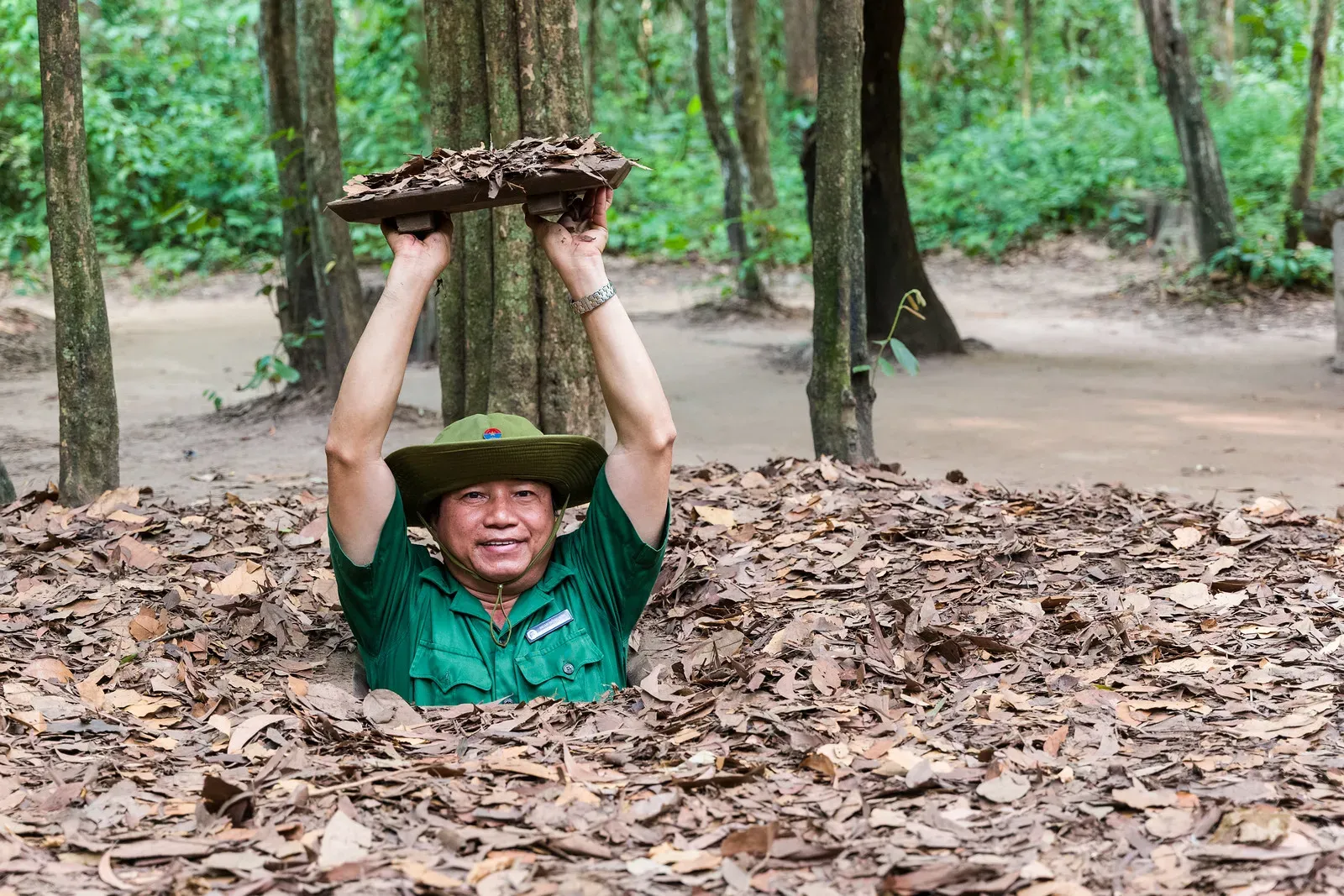
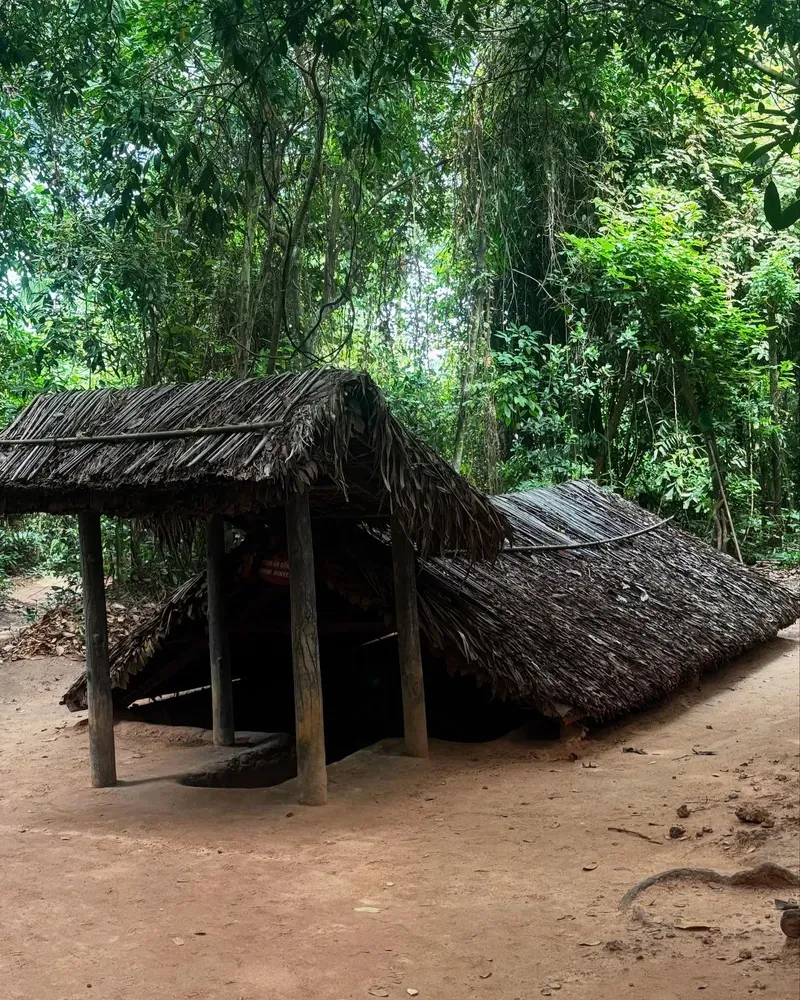
Dug into hard laterite clay, this 250-kilometer subterranean military base housed thousands of Viet Cong soldiers in a three-level network reaching 12 meters deep. Today, visitors can crawl through preserved tunnel sections, view smokeless Hoang Cam stoves, and inspect authentic booby traps.
Find Guided ToursThe Cu Chi Tunnels form an immense subterranean network located in the Cu Chi District of Ho Chi Minh City. Dug directly into hard laterite clay soil, the system spans approximately 250 kilometers in total length, with 121 kilometers preserved today. This massive complex descends through three distinct levels, reaching depths of 3, 6, and up to 12 meters underground.
Construction of the tunnels began in 1948 during the conflict against French colonial forces. The network was significantly expanded in the early 1960s to serve as a strategic military base for the Viet Cong during the Vietnam War, known locally as the Resistance War Against America. It functioned as a fully operational underground city housing thousands of soldiers and civilians. The complex contained living quarters, hospitals, storage facilities, and command centers equipped with meeting rooms.
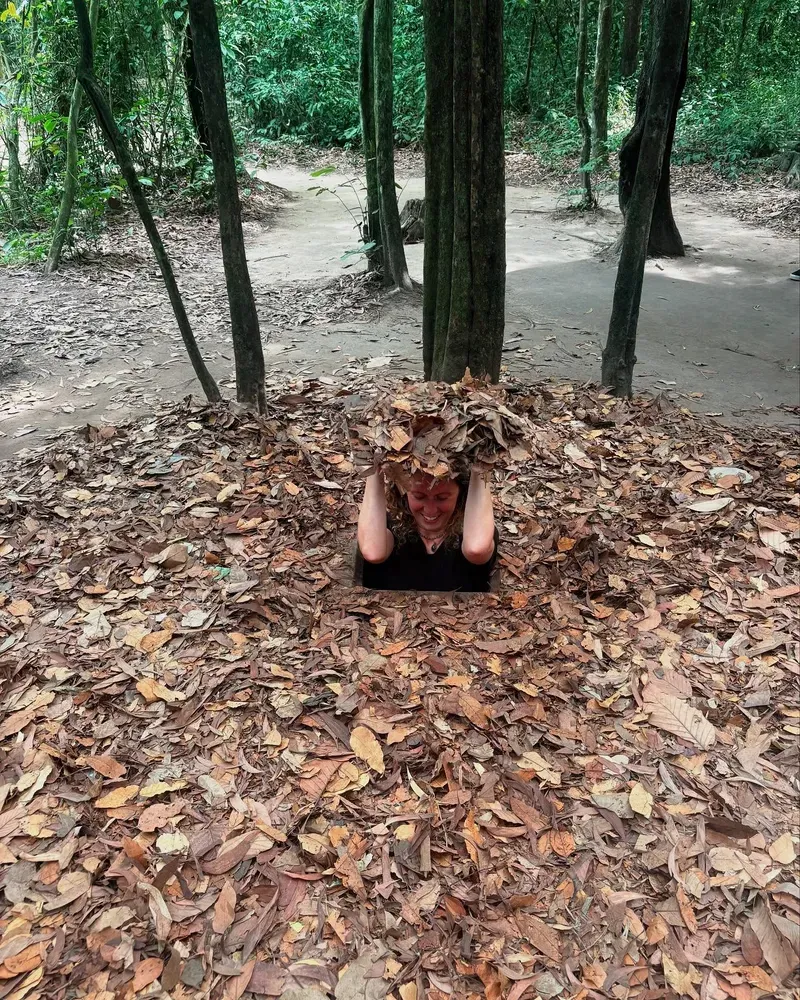
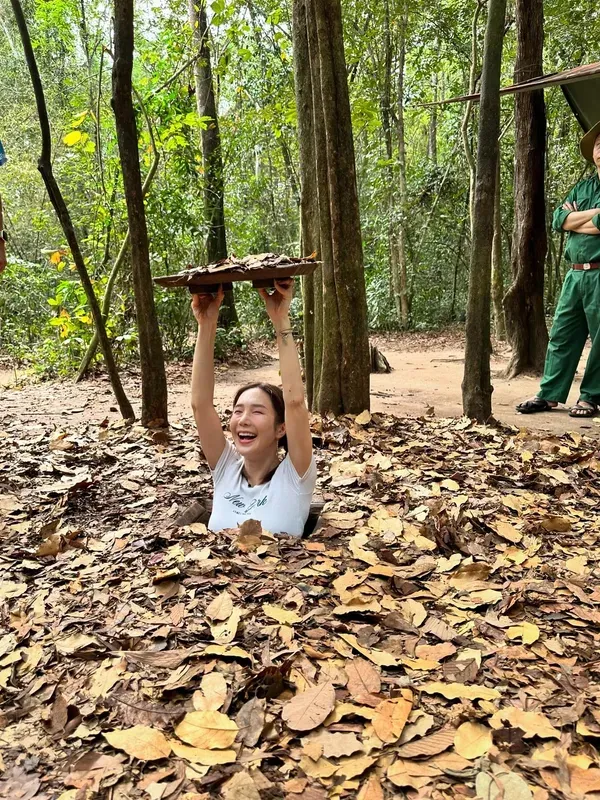
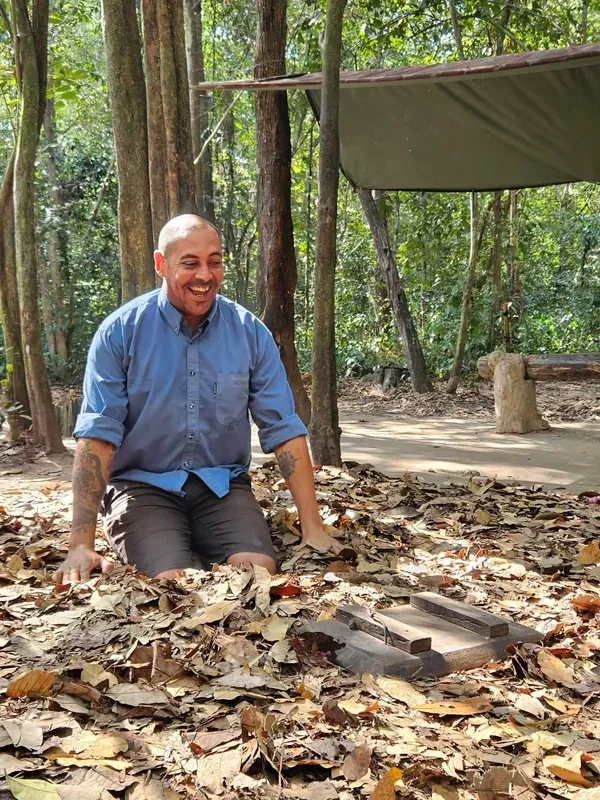
The site stands as a premier symbol of Vietnamese resilience and military ingenuity. Soldiers utilized sophisticated guerrilla warfare tactics to survive heavy aerial bombardment and superior enemy technology. A key innovation was the smokeless 'Hoang Cam' stove, which dispersed cooking smoke through long underground vents to evade aircraft detection. The network also relied heavily on camouflaged trapdoors and intricate bamboo and iron booby traps, such as the swinging door trap, to deter ground troops.
The human cost of the conflict in this region was severe, with an estimated 45,000 casualties. Recognizing its historical importance, the Vietnamese government officially designated the Cu Chi Tunnels as a Special National Monument in 2016. Today, the site draws two million annual visitors seeking to understand the historical context of the war from the Vietnamese perspective.
Discover the full history and cultural significance on our About page.
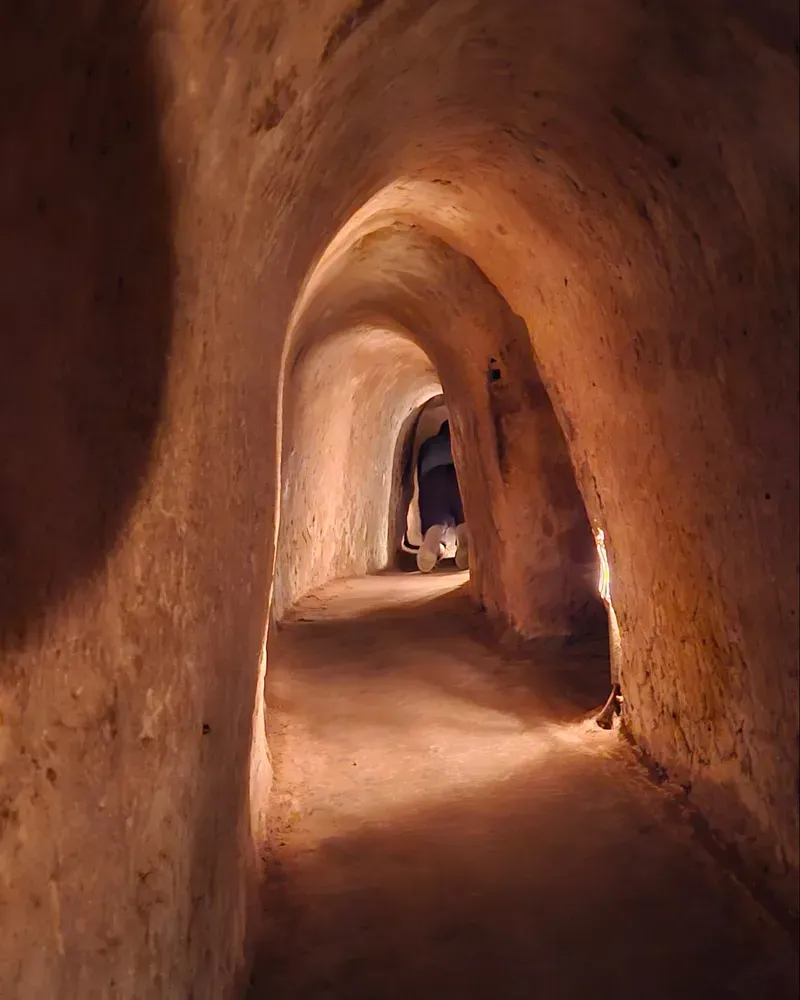
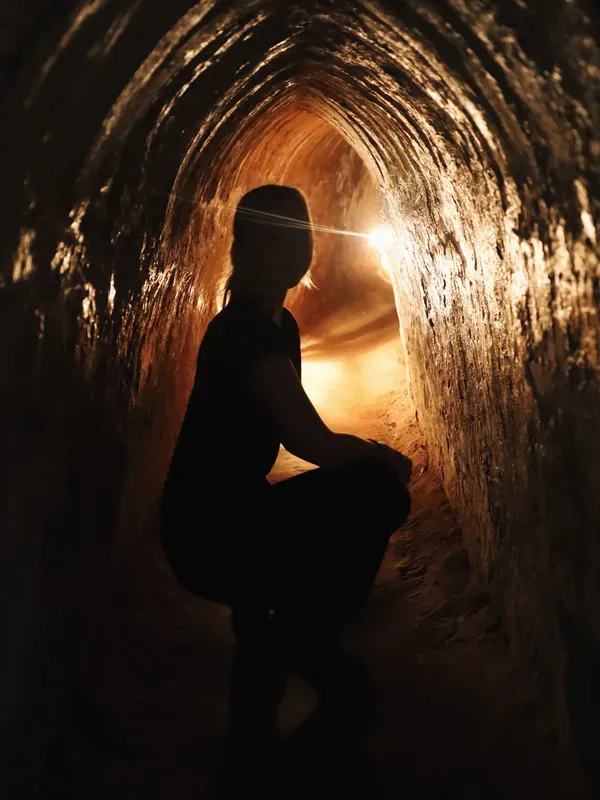
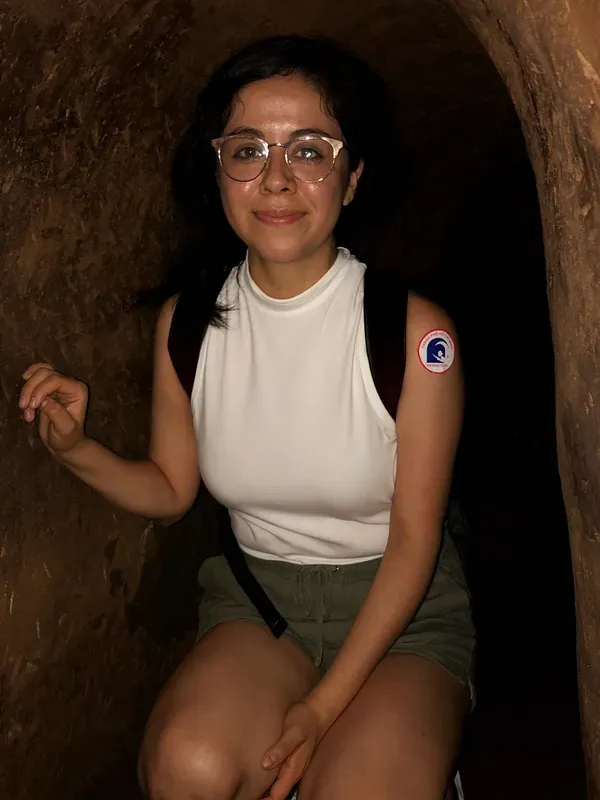
Navigate the narrow, dark passageways of the Ben Dinh network. These sections are reinforced with concrete for safety, allowing you to crawl between 20 and 100 meters underground. The subterranean complex descends across three levels down to 12 meters deep, with convenient exits located every 10 to 20 meters.
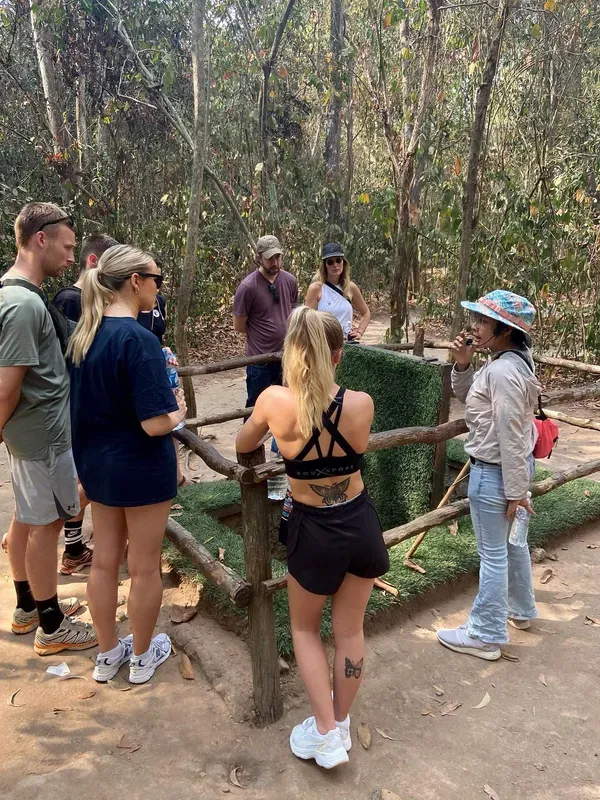
Examine the harsh realities of guerrilla warfare through demonstrations of bamboo and iron booby traps, including the swinging door and tiger traps. You will also see the ingenious Hoang Cam smokeless stove, which utilized long underground vents to disperse cooking smoke and evade detection from enemy aircraft above.
Test your aim at the National Defense Sport Shooting Range. Visitors over 18 years of age can fire historical military rifles, such as the AK-47 and M16. Ammunition costs 60,000 VND per bullet, and you are required to purchase a minimum of 10 rounds per weapon to participate.
Gain insight into the daily survival of the Viet Cong by eating standard guerrilla rations. The tour provides free portions of boiled tapioca dipped in a mix of salt, sugar, and crushed peanuts, served alongside hot tea. Afterward, view a 1967 black-and-white propaganda documentary inside an underground theater.
Hand-picked tours with free cancellation and verified reviews
 Free Cancellation 5h
  Free Cancellation 6h
  Free Cancellation 6h
  Free Cancellation
  Free Cancellation 8h
  Free Cancellation 4h
  Free Cancellation
  Free Cancellation
 The optimal time to visit the Cu Chi Tunnels is during the dry season from December to March, when cooler temperatures and dry paths make navigating the 121 kilometers of preserved network easier. Arriving between 07:00 and 08:00 is highly recommended to avoid the large tour groups that typically appear around 10:00.
March offers dry paths and cooler conditions for exploring. By May, the rainy season begins, bringing muddy terrain and high humidity. April serves as a transitional period with increasing heat.
Falling squarely within the rainy season, these months bring frequent downpours that turn the unpaved ground muddy. The underground tunnels also become excessively humid and physically demanding to navigate.
Heavy monsoon rains in September and October make the terrain slippery and introduce risks of flash flooding in the lower tunnel levels. Conditions finally begin to dry out in November.
The dry season provides cooler temperatures and firm dirt paths for safe walking. Note that the site becomes exceptionally crowded if your visit coincides with the Lunar New Year.
The Cu Chi Tunnels operate daily from 07:00 to 17:00, 365 days a year, including public holidays such as Tet (Lunar New Year). Ticket counters typically close one hour prior to the site's closing, at 16:00. Arriving between 07:00 and 08:00 is recommended to avoid large tour groups that arrive later in the morning.
| Category | Price |
|---|---|
| General Admission | 125,000 VND |
| Children (under 7 years old) | Free |
The entrance fee includes a mandatory official site guide. No advance entry permits are required for individuals. Carry small denominations of VND cash, as ticket counters often do not accept credit cards. Firing weapons at the on-site shooting range requires a separate fee of 60,000 VND per bullet, with a mandatory minimum purchase of 10 bullets (600,000 VND total) per weapon.
For complete schedules and ticket prices, visit our Hours & Fees page.
Visitors can reach the Cu Chi Tunnels from central Ho Chi Minh City using several transport methods. Options range from inexpensive local buses to premium river speedboats and flexible private cars.
📍 Cu Chi District, Ho Chi Minh City
Departing from Ben Thanh Station in District 1, public transit provides an inexpensive way to reach the site. Passengers first board Bus #13 to the main Cu Chi Bus Station. From there, a transfer is required depending on your final destination. Catch Bus #79 to access the Ben Duoc site. Alternatively, ride Bus #63 to reach the Ben Dinh tunnels.
Departing from Tan Cang Pier, this premium river route travels along the Saigon River directly to the tunnels. The 60-kilometer water transit completely bypasses the heavy city traffic associated with road travel. Operators frequently include breakfast or lunch in the overall ticket price. This transit method provides a fast and highly efficient alternative to driving.
Hiring a private car or booking a Grab from the Ho Chi Minh City center offers the highest level of flexibility. The 55 to 70-kilometer drive takes under two hours depending on traffic conditions. The estimated cost covers a complete round-trip booking. This price also includes the driver's waiting time while you explore the site.
Booking a group tour is the most common choice for tourists visiting the tunnels. These packages typically depart directly from hotels located in District 1. The price combines round-trip transportation, site entrance fees, and the services of a guide. The entire excursion usually lasts about six hours across the 60-kilometer distance.
For detailed transport options and routes, visit our Directions page.
The tunnels are carved into hard laterite clay that easily stains light-colored fabrics red. Dress in comfortable, modest clothing you do not mind getting dirty. Closed-toe shoes are highly recommended for walking on the uneven dirt paths. You will likely crawl on your hands and knees.
The National Defense Sport Shooting Range allows visitors over 18 to fire authentic war-era weapons. The resulting gunfire is exceptionally loud and echoes throughout the Ben Dinh site. Pack earplugs if you have sensory sensitivities. This continuous noise can be distressing for those with PTSD.
Plan your transit to reach the ticket counters between 07:00 and 08:00. Large organized tour groups typically descend on the site around 10:00. Arriving early provides a quieter environment for exploring the complex. It also helps you avoid the severe midday heat and humidity.
The underground network is extremely narrow, dark, and poorly ventilated. Visitors with claustrophobia, heart conditions, or respiratory issues should remain above ground. You can still view the camouflaged trapdoors, smokeless stoves, and bamboo booby trap demonstrations. The above-ground exhibits provide plenty of historical context without physical strain.
Ticket counters and the shooting range frequently do not accept credit cards. Bring enough local currency to cover the 125,000 VND entrance fee. If you plan to use the shooting range, prepare extra cash. Bullets cost 60,000 VND each with a mandatory minimum purchase of ten rounds.
Most tours visit the Ben Dinh section, located 50 kilometers away, because the tunnels are widened for tourists. Travel 70 kilometers to Ben Duoc for a less crowded, authentic experience. This site is five times larger. It also features a Memorial Temple listing over 44,000 fallen soldiers.
This colorful temple serves as the center for a unique syncretic religion. It combines core elements of Buddhism, Christianity, and Islam into a single faith system.
This facility operates as the largest multi-species rescue center in Southern Vietnam. It focuses entirely on rehabilitating animals that authorities have confiscated from the illegal wildlife trade.
Visitors can reach the highest peak in Southern Vietnam by taking a cable car. The summit features the tallest bronze Lady Buddha statue in Asia.
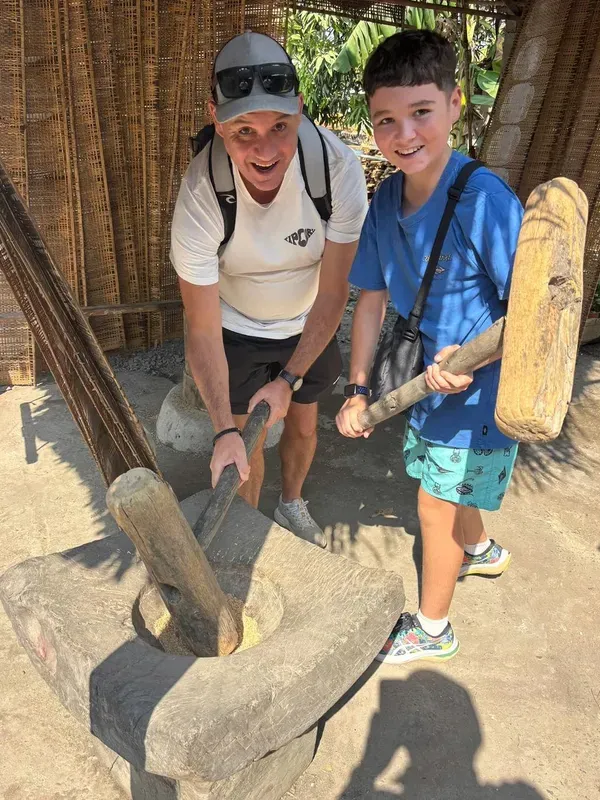
Read what travelers share about their experience visiting Cu Chi Tunnels — from practical tips to personal highlights.
The entrance fee is 125,000 VND per person, while children under seven years old enter for free. If you want to use the shooting range, bullets cost 60,000 VND each with a mandatory minimum purchase of 10 bullets. Bring small denominations of cash because the ticket counters and shooting range often do not accept credit cards.
The site is open daily from 07:00 to 17:00, including public holidays, though ticket counters usually close at 16:00. Arriving between 07:00 and 08:00 is best to avoid the large tour groups that typically arrive around 10:00. Plan to spend two to three hours exploring the site.
You can take a public bus from Ben Thanh Station for 14,000 VND, which takes about 2.5 hours. Organized group tours with hotel pickup take around 6 hours total and cost between 400,000 and 650,000 VND. For faster or more flexible travel, private cars run about 1,500,000 VND round-trip, or you can take a 1.5-hour speedboat via the Saigon River for 2,500,000 VND.
There is no formal dress code, but you should wear modest, comfortable clothing and closed-toe shoes. Opt for dark, older clothes because the red clay soil is difficult to wash out of light fabrics. You should also apply heavy-duty insect repellent and bring a small flashlight for the deeper, poorly lit tunnel sections.
The tunnels are extremely narrow, dark, and hot, making them unsuitable for visitors with claustrophobia, heart conditions, or respiratory issues. Wheelchair accessibility is also highly limited due to uneven dirt paths and bumpy terrain across the main site. Visitors who cannot enter the tunnels can still view the above-ground exhibits and booby trap demonstrations.
You do not need to book an advance entry permit or an organized group tour to visit. Independent travel via public bus or private car is completely fine. However, once you arrive, you must follow an official site guide, which is included in your 125,000 VND entrance ticket.
Ben Dinh is closer to the city at 50 kilometers away and features widened tunnels tailored for tourists. Ben Duoc is 70 kilometers away but offers a less crowded, more authentic experience within a network five times larger. Ben Duoc also houses the Memorial Temple, which records the names of over 44,000 fallen soldiers.
The dry season from December to March is the best time to visit, providing cooler temperatures and dry paths. Avoid the rainy season from May to October if possible. During these months, the terrain becomes muddy and the tunnels get excessively humid, with a risk of flash flooding in the lower levels during September and October.
Browse verified tours with free cancellation and instant confirmation.
Find Tours